The global financial landscape is undergoing a dramatic transformation, fueled by the burgeoning fintech sector. Fintech, short for financial technology, refers to the innovative use of technology to disrupt traditional financial services. From mobile payments and digital banking to robo-advisors and alternative lending platforms, fintech is revolutionising the way we manage our money.
This surge in fintech adoption isn’t just about convenience for consumers. It’s creating a wealth of exciting opportunities for the entrepreneurial spirit to flourish. With a thriving ecosystem that fosters innovation and a deep pool of talent, London has emerged as a global leader in the fintech revolution. While other tech hubs may boast different strengths, London’s unique blend of financial expertise, regulatory stability, and a forward-thinking approach has positioned it as a breeding ground for groundbreaking fintech ideas.
This comprehensive guide, brought to you by Bandera Agency, a leading marketing agency specialising in the fintech space, delves into the world of fintech. Whether you’re a seasoned entrepreneur or a budding innovator with a disruptive idea, this guide will equip you with the knowledge and resources needed to navigate this dynamic industry and turn your vision into a reality. As we explore the various facets of fintech, we’ll revisit the unique advantages London offers aspiring entrepreneurs seeking to establish and scale their ventures in this global phenomenon.
Demystifying Digital Finance Innovation
What is a Fintech Startup?
Fintech, a term encompassing financial services companies that leverage technology, has revolutionised numerous aspects of finance. From mobile banking apps for everyday transactions to P2P payments and digital money transfers, fintech solutions offer unparalleled convenience and accessibility.
Global financial markets are now more interconnected than ever, with companies such as payment-processing giants facilitating seamless cross-border money transfers. Digital finance innovations are also disrupting traditional financial institutions by offering solutions such as digital lending platforms for small businesses and emerging markets.
Beyond consumer finance, fintech caters to various sectors. Tech companies utilise payment processing companies like Stripe or Adyen to accept payments and manage online sales. Fintech also empowers small businesses with tools such as point-of-sale systems and expense management solutions to improve financial operations.
Financial institutions are increasingly partnering with digital finance companies to leverage their cutting-edge technology. This collaboration creates a dynamic ecosystem in which banks can offer innovative digital banking services, such as multi-currency accounts and corporate credit cards, powered by fintech expertise.
The Widespread Impact of Disruptive Finance Ventures
The impact of fintech extends beyond borders. Companies like Prodigy Finance utilise innovative solutions to bridge the gap in higher education financing for international students. This fosters financial inclusion by providing underserved populations with access to funding, a core tenet of the fintech revolution.
Data-driven insights are a hallmark of the fintech industry. Companies leverage machine learning and data analytics to offer personalised financial products, optimise lending processes, and prevent fraud. This data-centric approach empowers users to make informed decisions about their finances, enabling them to invest in stocks or brokerage services with greater confidence.
Security remains paramount in the fintech landscape. Companies prioritise robust security measures to protect user data and transactions. This ensures user trust and fosters wider adoption of innovative fintech solutions.
This section provides a glimpse into the vast and ever-evolving world of fintech. From mobile payments to international money transfers, fintech is transforming the way we manage our finances, creating a more accessible and efficient financial ecosystem for individuals, businesses, and institutions alike.
The Global Landscape of Fintech Companies
Source: Enterie
Where are Most Financial Technology Startups Located?
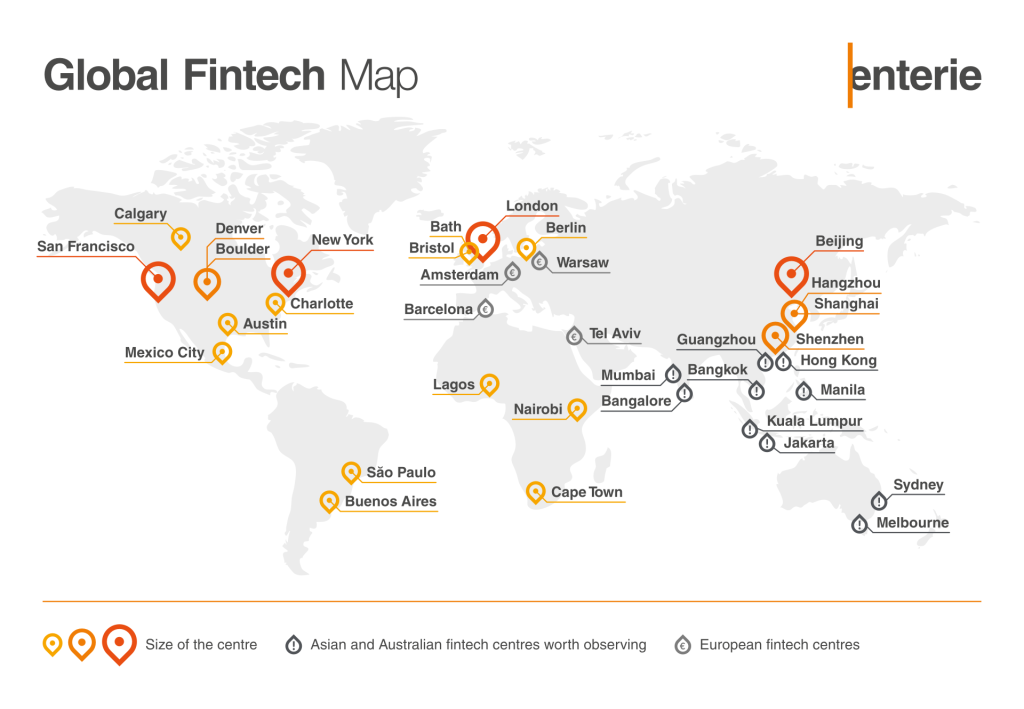
The fintech industry is a global phenomenon, with innovative companies emerging worldwide. While traditional banking services were once dominated by a handful of established players, emerging financial technology companies are challenging this landscape with their agile, tech-driven approach.
Digital lending platforms like Upstart in the US and ZhongAn in China are transforming access to credit, particularly for small business owners who may struggle with traditional loan application processes.
Payment solutions companies such as Stripe (US) and Adyen (Netherlands) are redefining how businesses process online payments, offering a seamless experience for both merchants and consumers. Money transfer services like Wise (UK) and Remitly (US) leverage technology to make sending money abroad faster, cheaper, and more convenient compared to traditional bank transfers.
This global distribution reflects the diverse needs of different markets. For example, mobile wallets like M-Pesa in Kenya have emerged in emerging markets to address the limited access to traditional bank accounts.
Leading Fintech Hubs: North America, Europe, and Asia
Several regions have established themselves as hotbeds for fintech innovations:
North America: Home to Silicon Valley giants like PayPal and Square, the US is a leader in online payments and digital asset trading. Additionally, Canada boasts a thriving fintech scene with companies like Wealthsimple focusing on robo-advisory and commission-free trading.
Europe: London, a global financial centre, has emerged as a major European fintech hub. Open banking regulations and a supportive regulatory environment have fostered innovation in areas such as P2P payments (think companies like TransferWise) and alternative lending. Beyond London, other European hubs like Berlin and Stockholm are also seeing rapid growth in disruptive finance ventures.
Asia: China is a powerhouse in fintech, with giants like Ant Group (Alipay) and Tencent (WeChat Pay) dominating the mobile payments landscape. These companies offer a wide range of integrated financial services within their super apps, from online banking and investment options to insurance distribution and bill payments.
While this section highlights some prominent regions and companies, the fintech landscape is constantly evolving. New hubs are emerging in other parts of the world, driven by factors like a growing tech-savvy population and a supportive regulatory environment. The global nature of fintech ensures a constant exchange of ideas and fosters a competitive landscape that ultimately benefits consumers with a wider range of innovative financial products and services.
Unveiling Leading Fintech Innovators
Source: Freepik
What is the Number 1 Fintech Company?
The dynamic nature of the fintech industry makes it challenging to crown a single “number one” company. Unlike traditional industries with established metrics like market capitalisation, the fintech landscape is diverse. Success can be measured by factors such as user base growth, revenue, market share, and impact on a particular financial niche.
For instance, a leading payments company like Stripe might not compete directly with a robo-advisor platform like Betterment in the wealth management space.
However, this doesn’t diminish the groundbreaking work of these companies. Let’s delve into some of the key players across different fintech segments:
Showcasing Leading Players Across Fintech Segments
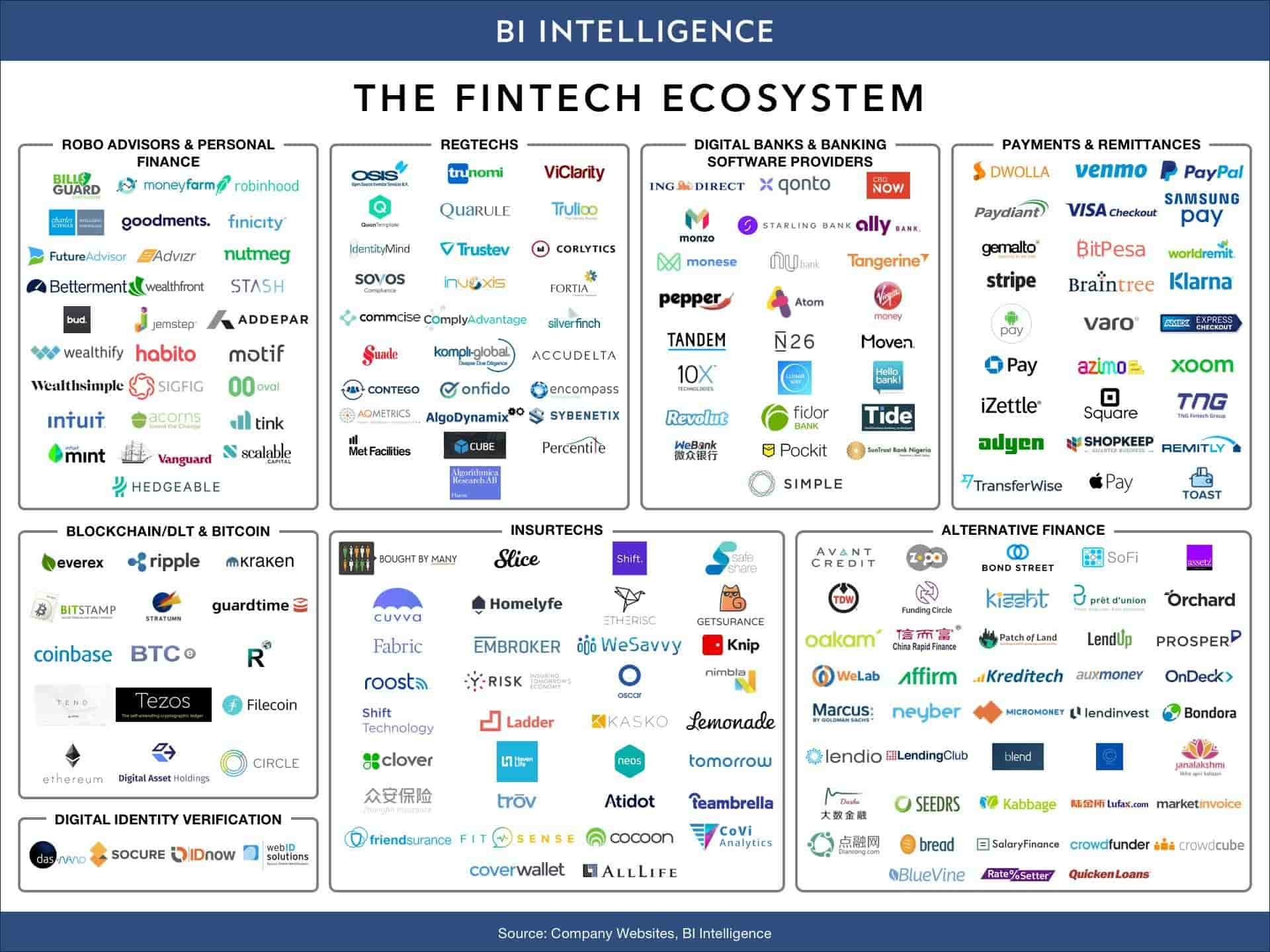
The fintech industry boasts a diverse range of innovative companies transforming every facet of traditional financial services. Let’s delve deeper into some leading players across key segments, exploring how they expand beyond their core functionalities to offer a wider range of financial products and services:
Payments:

Source: Freepik
Stripe (US): A global leader in online payment processing solutions, Stripe empowers businesses of all sizes to accept payments seamlessly across various channels. Their user-friendly platform integrates with numerous online stores and marketplaces, streamlining the checkout process for both merchants and consumers. While its core service is payment processing, Stripe also offers additional features such as invoicing, fraud prevention, and subscription management.
Adyen (Netherlands): This leading payment processing company provides a robust platform for online merchants, facilitating secure and efficient card payments. Adyen’s global reach and focus on advanced fraud prevention measures make it a trusted partner for businesses operating in multiple currencies. Beyond payment processing, Adyen offers features such as settlement services, risk management tools, and data analytics to help businesses optimise their payment strategies.
Ant Group (China): Dominating the mobile payments landscape, Ant Group’s Alipay platform has revolutionised how people transfer money and access financial services. Beyond payments, Alipay allows users to pay bills, invest in digital assets like mutual funds, and even hail taxis – all from a single mobile app. Alipay essentially functions as a digital wallet encompassing payments, wealth management tools, and on-demand services.
Digital Banking:

Source: Freepik
Nubank (Brazil): A pioneer in Latin America, Nubank is a challenger bank offering a fully digital banking experience. Their innovative mobile app allows users to open savings accounts and checking accounts, manage finances, and access credit cards and debit cards, all without the hassle of visiting a physical branch. Nubank disrupts the traditional banking model by offering a suite of financial products readily available through their mobile app, including budgeting tools, peer-to-peer payments, and investment options.
Chime (US): Known for its user-friendly mobile banking app and fee-free financial services, Chime is a leading neobank in the US. Chime offers features like mobile check deposit, automatic bill pay, and early access to direct deposits, making it a popular choice for those seeking a convenient and affordable banking alternative. While Chime focuses primarily on core banking services, they also offer tools for managing spending and building credit, going beyond simply holding deposits and facilitating transactions.
Revolut (UK): This multi-currency digital banking app provides a comprehensive suite of financial tools. Revolut allows users to open accounts in multiple currencies, exchange funds at competitive rates, and manage their spending habits through budgeting tools. Their focus on real-time data and seamless integration with financial comparison websites empowers users to make informed investment decisions. Revolut goes beyond traditional banking by offering currency exchange, global money transfers, and investment capabilities alongside their core account management features.
Wealth Management:

Betterment (US): A pioneer in robo-advisory, Betterment offers automated investment management services tailored to individual risk tolerance and financial goals. Their digital platform uses sophisticated algorithms to invest client funds in low-cost, diversified exchange-traded funds (ETFs), making wealth management more accessible and affordable for everyday investors. Betterment focuses on automated investing, but also offers human advisor consultations for those seeking more personalised wealth management strategies.
Nutmeg (UK): A leading European robo-advisor, Nutmeg specialises in personalised investment strategies. Their platform considers factors like risk tolerance, investment horizon, and financial goals to create customised portfolios for each client. Nutmeg also offers access to human financial advisors for those seeking additional guidance. While their core service is automated investing, Nutmeg recognises the value of human expertise and provides the option to consult with financial advisors.
Wealthfront (US): Providing both automated and human-guided investment management solutions, Wealthfront caters to a broader spectrum of investors. Their automated platform offers low fees and diversified investment strategies, while Wealthfront also provides access to experienced financial advisors for those seeking personalised wealth management services. Wealthfront stands out by offering a hybrid model that caters to both those who prefer automated investing and those who value the guidance of a human advisor.
Lending:

Source: Freepik
Upstart (US): Leveraging AI-powered lending models, Upstart provides personalised loan options for borrowers with limited credit history. Their innovative approach analyses alternative data points beyond traditional credit scores, making it easier for qualified individuals to access loans. Upstart focuses on personal loans, but its technology could potentially be applied to other lending products in the future.
Kabbage (US): Offering data-driven small business loans, Kabbage is a leading fintech company catering to the needs of entrepreneurs. Their streamlined online platform allows businesses to access funding quickly, with a focus on fast approvals and flexible terms. Kabbage expands beyond traditional loan products by offering lines of credit and invoice financing, catering to the diverse financial needs of small businesses.Avant (US): An online lending platform specialising in personal loans and credit cards, Avant offers competitive rates and flexible repayment options. Avant’s user-friendly online platform allows borrowers to compare loan options, apply for credit, and manage their accounts easily. While Avant focuses on personal loans and credit cards, it might explore other lending products in the future, such as auto loans or home equity loans, to serve a wider range of customer needs.
This glimpse into how fintech leaders offer a variety of financial products and services beyond their core functions showcases the industry’s dynamic, evolving nature. Fintech is breaking down traditional silos between different financial services, creating a more integrated and user-centric financial ecosystem.
The Rise of Financial Technology Innovators
The dynamic and innovative nature of the fintech industry is fueled by a growing number of ambitious startups. These young companies are challenging the status quo and pushing the boundaries of digital finance services. But how do these emerging financial technology entities navigate the path to success? Here’s a closer look at some key aspects of their growth:
Funding the Future: Digital finance innovators rely on various funding sources to fuel their growth. Venture capital (VC) firms play a crucial role, providing early-stage and growth capital to promising companies. Additionally, crowdfunding platforms enable startups to raise capital directly from the public. Established financial institutions may also invest in emerging digital finance entities through corporate venture capital arms, fostering collaboration and innovation.
The Talent Imperative: Attracting and retaining top talent is critical for an emerging fintech company. These companies compete for skilled professionals with expertise in finance, technology, and data science. Competitive compensation packages, a culture of innovation, and the opportunity to be at the forefront of a rapidly changing industry are key factors in attracting top talent.
Going Global: The reach of financial and banking services is no longer confined by geographical borders. Many fintech startups have a global mindset from the outset, leveraging technology to scale their operations across international markets. Understanding local regulations, adapting to different financial ecosystems, and building partnerships can be crucial for successful global expansion.
Fintech in London: A Thriving Ecosystem

Source: Freepik
London has emerged as a global leader in the fintech revolution, attracting entrepreneurs and investors alike. This vibrant ecosystem thrives on a unique blend of factors that foster innovation and growth.
Advantages Propelling London’s Fintech Success:
Regulatory Sandbox: The UK government’s commitment to innovation is evident in its regulatory framework. Initiatives like the Open Banking standard allow a fintech company to securely access customer data from traditional banks, fostering collaboration and the development of new financial products.
Financial Powerhouse: London is a well-established financial centre with a long history of expertise in banking, insurance, and investment. This legacy provides a fertile ground for pioneering fintech ventures, offering access to established financial institutions as potential partners or acquisition targets.
Tech Talent Hub: London boasts a large pool of skilled professionals in technology, finance, and data science. This readily available talent pool empowers fintech companies to build cutting-edge solutions and attract top-tier recruits.
Local Fintech Success Stories:
Revolut: the multi-currency banking app, has become a game-changer in the world of money management. Using London’s regulatory sandbox, they’ve built a user-friendly app offering innovative features like international transfers, currency exchange, and even investing – all in one place. Their success is a prime example of how Open Banking can disrupt traditional money management tools.
Monzo: Another challenger bank making waves in the UK, Monzo offers a user-friendly mobile app for everyday banking. They capitalise on London’s tech talent to offer budgeting tools, real-time transaction notifications, and seamless integration with popular financial comparison websites. Monzo’s story exemplifies how fintech companies can leverage technology to create a more engaging and transparent banking experience.
Checkout.com: This London-based payment processing company caters to businesses of all sizes, facilitating secure online transactions across international borders. Their success reflects London’s position as a global financial centre, allowing Checkout.com to serve clients worldwide while benefiting from the city’s well-developed financial infrastructure.
Challenges and Opportunities for Aspiring Entrepreneurs:
The London fintech scene is undeniably exciting, but aspiring entrepreneurs should be aware of both the challenges and opportunities:
Competition: London’s status as a fintech hub attracts numerous startups, leading to a competitive landscape. Standing out requires a strong value proposition, a focus on a specific niche, and a well-defined marketing strategy.
Regulation: While the UK’s regulatory environment is generally supportive, navigating financial regulations can be complex. Consulting with legal experts specialising in fintech is crucial to ensure compliance.
Funding: Access to venture capital and angel investors is plentiful in London, but securing funding remains competitive. A well-developed business plan, a strong team, and a clear path to profitability are essential for attracting investors.
The Road Ahead
Despite the challenges, London offers a fertile ground for aspiring fintech entrepreneurs. By leveraging the city’s unique strengths, overcoming hurdles, and capitalising on emerging opportunities, the next generation of fintech innovators can continue to revolutionise the financial landscape from the heart of London.
The Money Machine: How Fintech Companies Make Money

Source: Freepik
Do Fintech Companies Make Money? Exploring Revenue Models
Fintech companies, despite disrupting traditional finance institutions, operate with a variety of successful revenue models. While some generate substantial profits, others prioritise user base growth and market share capture over immediate profitability. Here’s a breakdown of some common fintech revenue streams:
Transaction Fees: This is a common model, particularly for payment processors like Stripe and Adyen. They charge a small fee per transaction processed through their platform, generating revenue based on transaction volume.
Subscription Fees: Some fintech companies offer premium features or services within a subscription model. Robo-advisors, for example, may charge a subscription fee for access to advanced investment management tools or personalised financial planning advice.
Interest Income: Fintech lending platforms that originate loans can earn revenue by charging interest on those loans. This model requires the company to have a strong underwriting process to manage risk.
Freemium Model: Many fintech companies, particularly those in the early stages, utilise
a freemium model. They offer basic features for free to attract users and then charge for premium features or services. This allows them to build a large user base and incentivise users to upgrade to access additional features.
The specific revenue model adopted by a fintech company depends on its target audience, product offerings, and overall business strategy. Some companies may even combine multiple models for a more diversified revenue stream.
Understanding these revenue models is crucial, not only for aspiring fintech entrepreneurs but also for consumers. By recognising how these companies generate income, users can make informed decisions when choosing fintech products and services.
Aspiring to Innovate: Launching Your Financial Technology Company
The fast-paced world of fintech brims with potential for visionary entrepreneurs. It’s a chance to shake up the way people manage their money. Here’s a breakdown of the key steps to launch your own thriving fintech company:
Identify a Need and Craft Your Fintech Solution
The first step is to identify a specific problem or gap in the personal finance landscape. What pain point are you aiming to solve? Conduct thorough research to understand user frustrations and unmet needs. Perhaps it’s the complexity of managing investments, the lack of transparency in bank fees, or the difficulty of sending money internationally. Clearly define the problem you’re addressing, then brainstorm a digital solution that leverages fintech principles.
Market Research and User Validation: Building for Your Target Audience
Before diving into development, prioritise thorough market research. Identify your target audience within the money management landscape. Who are you aiming to empower? Are they small and medium businesses juggling cash flow headaches? Maybe it’s young adults seeking clarity on financial planning. Tailor your solution to their specific challenges and validate your concept through surveys and focus groups. Ultimately, ensure your offering resonates with their problems and delivers a clear value proposition.
Building a Strong Team: Assembling Your Fintech Powerhouse
Assemble a talented team with a blend of expertise. Look for individuals with experience in finance, technology companies, and business development. You’ll need experts in areas like payment processing, data security (critical for handling sensitive financial data), and mobile app development. Don’t hesitate to seek out advisors with a strong understanding of the fintech space who can provide valuable guidance throughout your journey.
Securing Funding: Launching Your Fintech Startup
Launching a fintech startup requires capital. Explore various funding options, such as venture capitalists (VCs) interested in innovative digital solutions, angel investors, or crowdfunding platforms. Develop a compelling pitch deck outlining your business plan, target market, and projected growth to attract investors. Highlight the disruptive potential of your fintech solution and the value it brings to your target audience.
Developing a Secure and Scalable Platform: The Foundation of Your Fintech Services
A robust and secure platform is the backbone of your fintech company. Invest in cloud-based software that can handle large volumes of data and transactions. Prioritise fraud prevention measures and ensure compliance with relevant financial regulations. Partner with reliable technology providers to ensure your platform scales seamlessly as your user base grows.
Compliance and Regulation: Navigating the Financial Services Landscape
The world of finance operates by a complex set of rules. Before diving in, it’s essential to understand the regulations specific to your fintech niche. Whether it’s acquiring licenses or complying with data privacy laws like the GDPR (in Europe), compliance is key. Consider partnering with a regulatory lawyer to navigate these regulations and ensure your platform stays on the right side of the law. Remember, building trust with your users starts with a commitment to transparency and operating within legal boundaries.
Marketing and User Acquisition: Reaching Your Target Audience in the Competitive Fintech Market
In a crowded marketplace, attracting users requires a strategic marketing approach. Leverage digital channels like social media and content marketing to educate your target audience about your fintech solution. Partner with established money management platforms or comparison websites to gain visibility. Build trust and brand awareness by showcasing how your fintech solution empowers users to take control of their finances.
By following these steps and remaining passionate about solving real problems in the finance service sector, you can turn your innovative idea into a successful fintech company. Remember, the fintech landscape is constantly evolving. Stay agile, adapt to changing user needs, and leverage the latest technologies to stay ahead of the curve.
Emerging Regulations: Navigating the Evolving Landscape
The breakneck pace of fintech innovation constantly challenges regulators to create frameworks that foster growth while maintaining financial stability and consumer protection. This dynamic landscape presents both opportunities and hurdles for aspiring fintech entrepreneurs.
Opportunities:
Regulatory Sandboxes: Many regulatory bodies are implementing sandbox programs that allow pioneering fintech ventures to test their innovative solutions in a controlled environment with relaxed regulations. This facilitates experimentation and expedites the launch of groundbreaking financial products and services.
Focus on Openness and Collaboration: Regulators are increasingly recognising the benefits of collaboration between fintech companies and traditional financial organisations. Open Banking initiatives, for example, allow fintech companies to securely access customer data from banks, fostering the development of innovative financial products and services.
Challenges:
Regulatory Uncertainty: The constantly evolving nature of fintech can make it challenging for regulators to keep pace. This uncertainty can hinder innovation as startups navigate complex and sometimes ambiguous regulations.
Compliance Costs: Meeting stringent regulatory requirements can be a significant burden for early-stage startups, especially those operating across multiple jurisdictions. The cost of compliance can eat into resources needed for development and growth.
Impact on Future Fintech Innovation:
Focus on Security and Consumer Protection: Regulations are likely to become more stringent in areas like data security and consumer protection. This will require a financial technology company to prioritise robust security measures and build trust with users.
Collaboration is Key: Fintech companies that collaborate effectively with regulators and traditional financial organisations are more likely to navigate the evolving regulatory landscape and achieve long-term success.
Focus on Regulatory Agility: The ability to adapt to changing regulations will be a key differentiator for companies navigating the financial technology space. Building a culture of compliance and staying informed about regulatory updates will be crucial for sustainable growth.
By understanding the evolving regulatory landscape and its impact on future innovation, aspiring entrepreneurs can develop compliant and successful fintech solutions that benefit both consumers and the broader financial ecosystem.
The Future of Fintech: A Glimpse Ahead

Source: Freepik
The financial services industry is on the cusp of a transformative era driven by continuous fintech innovation. Here’s a look at some key trends shaping the future of finance:
Enhanced User Experience: Mobile apps will remain at the forefront, offering seamless access to financial tools and services 24/7. Real-time data integration will empower users with deeper financial insights, while personalised tools like automated budgeting and goal-setting will further enhance user control.
Greater Transparency and Control: Fintech will continue to demystify financial services, offering clear fee structures and user-friendly interfaces that provide easy access to account information and transaction history. This empowers users to make informed choices and take greater control of their financial well-being.
Financial Inclusion: Fintech solutions powered by digital assets have the potential to bridge the gap and empower underserved communities. As technology becomes more accessible and affordable, digital assets can unlock wider access to financial products and services globally.
Collaboration: Strategic partnerships between traditional financial entities and fintech companies will likely become commonplace. By leveraging each other’s strengths, these collaborations can lead to a more integrated financial ecosystem offering a broader range of innovative products and services.
Emerging Technologies: Artificial intelligence (AI) and blockchain technology hold immense potential for further revolutionising financial services. AI-powered lending models can expand access to financial products, while blockchain can streamline cross-border transactions and enhance transparency.
Harnessing the Future of Finance
The financial services landscape is undergoing a transformative shift, driven by continuous fintech innovation. This presents a wealth of opportunities to empower both consumers and businesses. As we move forward, collaboration across the industry, an unwavering commitment to security, and the leveraging of cutting-edge technologies are crucial for building a more inclusive, efficient, and secure financial ecosystem for everyone.
Bandera Agency: Bridging the Gap to Fintech Success
The exciting world of fintech startups also faces unique challenges. Bandera Agency recognises these hurdles and stands as your trusted partner on the path to success. We offer a comprehensive suite of services designed to empower your fintech venture and bridge the gap between your vision and reality.
From market research and user acquisition strategies to navigating complex regulations and building a powerful brand, our team of experts possesses the knowledge and experience to propel your fintech solution forward. We stay current with the ever-evolving fintech landscape, ensuring your company operates within legal frameworks while maximising its potential.
Don’t let obstacles hinder your innovative fintech idea. Partner with Bandera Agency today and unlock the full potential of your vision. Let’s revolutionise the way people manage their finances, together.
Contact us now and take the first step towards a thriving future in fintech!