What truly drives effective collaboration across borders? Discover the human side of global teamwork.
Introduction
Many of my friends and colleagues are prolific bloggers, sharing nuggets of wisdom via punchy three-minute newsletters. For a long time, I didn’t quite get the appeal. But then came the urge—the need to voice my own thoughts—and suddenly, I understood. Once you start seeing patterns in your experience, you realise it’s worth broadcasting them.
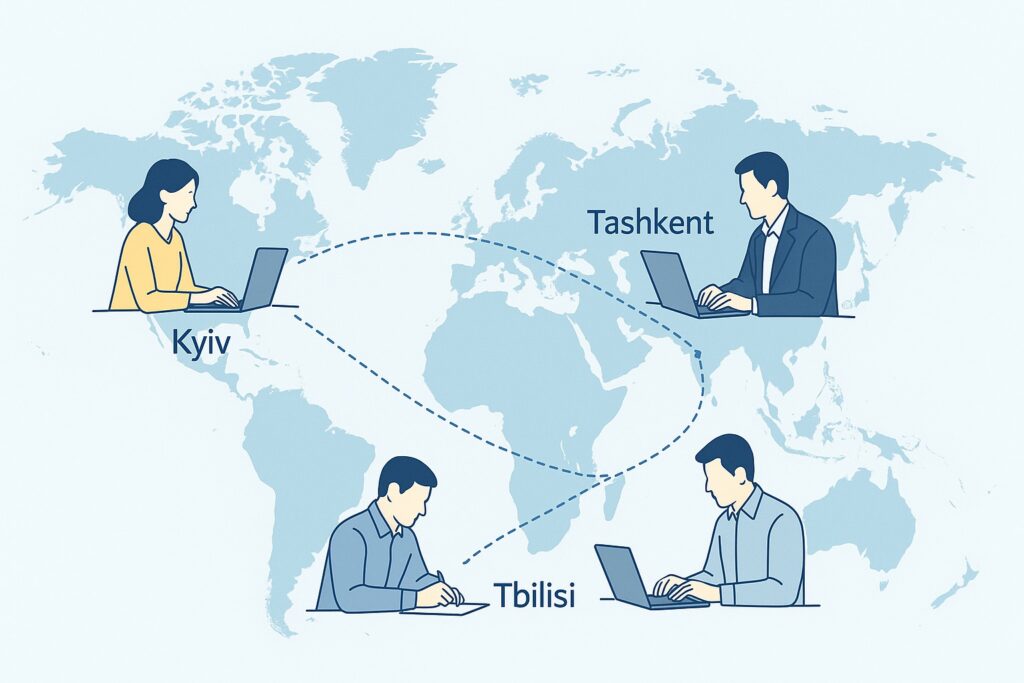
Let me be honest: I’m no marketing theorist. I didn’t pore over Kotler’s strategies at university (though I’ve had to learn them on the job). I’m a doer. The kind of marketer who once said, “It was just a test, man,” after burning through $10,000. Yes, that’s me. Over 12 years, I’ve made mistakes, learned from them, and discovered a few truths. Today’s insight isn’t strictly about marketing or CRM—it’s about people. You, me, and our colleagues in Georgia, Uzbekistan, and Ukraine.
Why This Matters
At Bandera Agency, we don’t parachute in, dispense advice, and disappear. We embed ourselves. We become part of the team. And trust me, when you work across different cultures, you quickly learn that collaboration isn’t just about strategy—it’s about psychology, empathy, and decoding unspoken rules.
What I’ve Observed
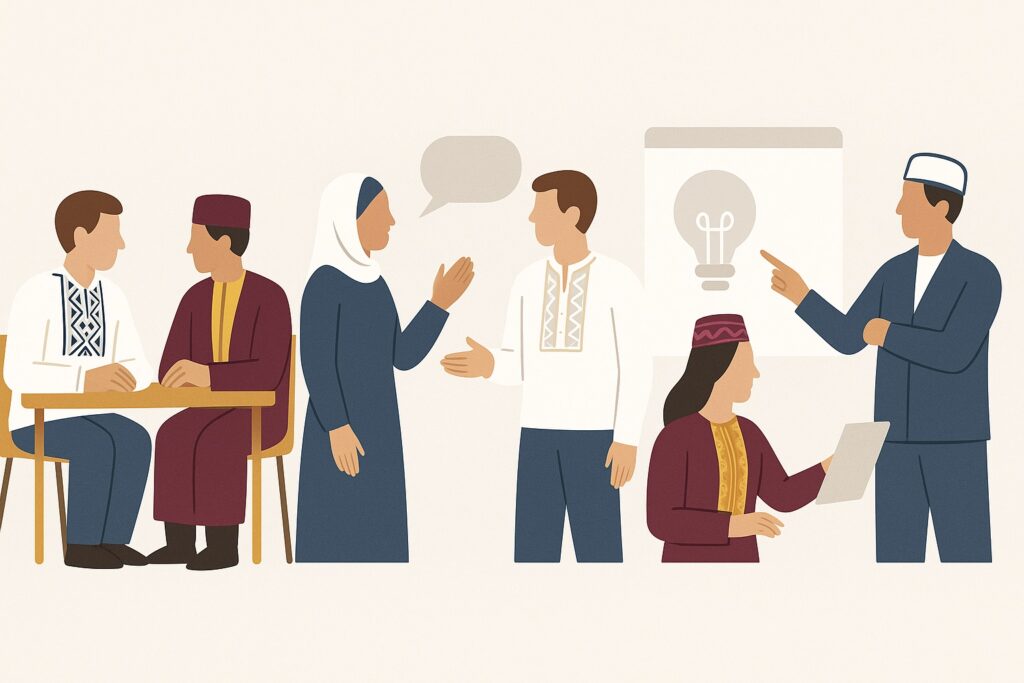
Let’s talk broad strokes. Here’s a snapshot of the working styles I’ve encountered:
| Nationality | Work Approach | Strengths | Peculiarities |
|---|---|---|---|
| Georgians | Team-oriented, prefer in-person contact | Passionate, results-driven | Adapt quickly if it impacts the bottom line |
| Uzbeks | Respect hierarchy, highly diligent | Deep focus, great hospitality | Sometimes shy away from responsibility |
| Ukrainians | Flexible, creative, team-spirited | Innovation-friendly, hard-working | Express disagreements gently |
Culture’s Fingerprint on Work
Different cultural backgrounds don’t just influence how we think. They shape how we act—especially in stressful situations. Here’s what that looks like:
| Nationality | Work Process | Creativity | Problem Solving | Speed |
|---|---|---|---|---|
| Georgians | Collaborative | Rich cultural lens enhances creativity | Adaptable | Fast decisions or fast escalation |
| Uzbeks | Disciplined, structured | Collective brainstormers | Patient and methodical | Tendency toward delays |
| Ukrainians | Flexible and thorough | Strong innovation instincts | Team-based solutions | Analytical first, escalate second |
The Real Takeaway
Cultural nuance matters. But certain human qualities transcend borders: honesty, tact, self-awareness, and kindness. Personally, I find playing the “tough boss” a challenge. Still, multicultural teamwork has stretched me. It’s made me a better leader—and person.
Lessons I’ll Never Unlearn
Here are a few enduring truths I’ve picked up—ones that mirror our core values at Bandera Agency:
- Be Ambitious: Ambition fuels growth, resilience, and self-fulfilment.
- Value Diverse Perspectives: More viewpoints = more breakthrough ideas.
- Respect Cultural Differences: Respect breeds trust.
- Communicate Honestly: Transparency kills confusion.
- Stay Flexible: Adaptability wins in every timezone.
- Learn from Others: Everyone knows something you don’t.
- Focus on Shared Goals: Unity erases boundaries.
- Build Empathy and Patience: Slow down to truly connect.
- Promote Cultural Exchange: Interaction beats assumption.
- Nurture Personal Relationships: In many cultures, trust is everything.
Now It’s Your Turn
Multicultural teams aren’t just about Zoom calls in multiple languages. They’re about learning how people tick. They make you smarter, kinder, more resilient.
So I ask: What have you learned from working across cultures? Share your wins, stumbles, and surprises in the comments. Let’s keep the conversation going.